
Souq Waqif Doha: Timings, What to See, Eat and Buy (2026)
A practical guide to Souq Waqif in Doha for 2026, covering opening hours, the Falcon Souq and Falcon Hospital, the Gold Souq, what to eat and buy, parking, metro access, events and etiquette.
Quick Answer
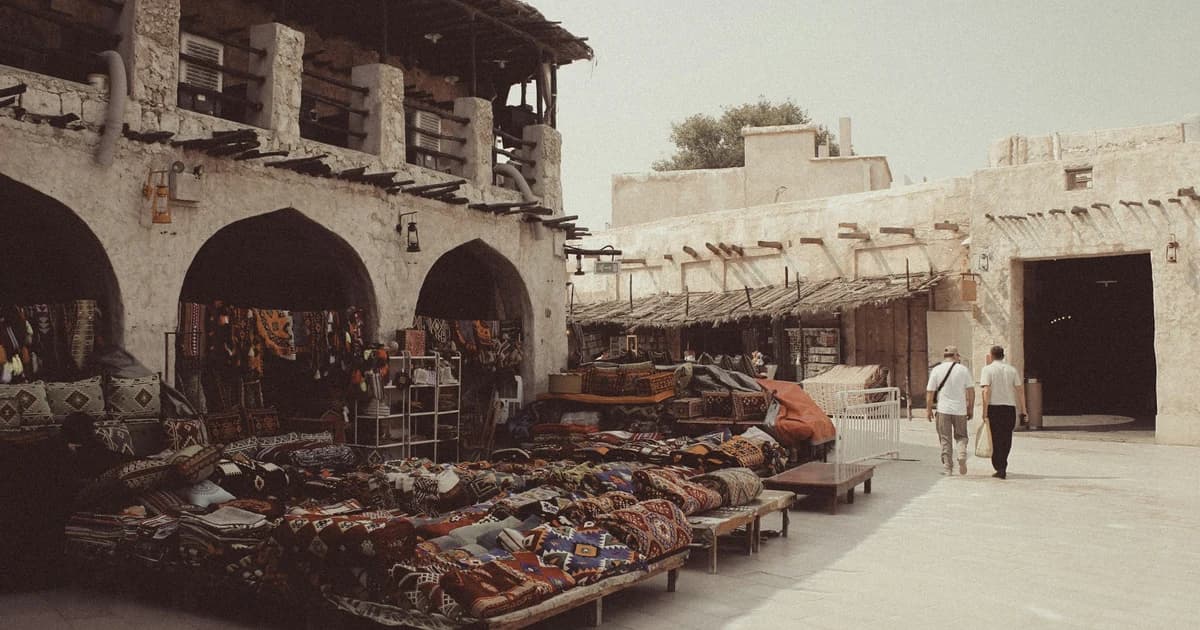
Souq Waqif is Doha's restored traditional market, free to enter and right next to Souq Waqif station on the Gold Line of the Doha Metro. Traditional shops usually open around 9am to 1pm and 4pm to 10pm from Saturday to Thursday, and only from late afternoon on Friday, while restaurants stay open until around midnight. The highlights are the Falcon Souq, the Arabian horses and camel pen, the spice, perfume and textile lanes, the nearby Gold Souq and Qatari food such as machboos and karak. Go on an evening between November and March, dress modestly, and allow two to three hours.
Visit Official ServiceOn this page
- Souq Waqif at a Glance
- Souq Waqif Timings and Opening Hours
- A Short History of Souq Waqif
- What to See at Souq Waqif
- What to Buy at Souq Waqif
- Bargaining Tips for Souq Waqif
- Where to Eat at Souq Waqif
- Staying at Souq Waqif
- How to Get to Souq Waqif
- Best Time to Visit Souq Waqif
- Events and Festivals at Souq Waqif
- Dress Code and Etiquette
- Tips for Families and First Time Visitors
- Places Near Souq Waqif
- Final Thoughts
Souq Waqif is the old market quarter in the centre of Doha, and the one place where residents and first time visitors end up on the same evening. Lanes of mud rendered walls lead past spice sacks, carpet stalls, perfume shops and a falcon market, then open onto squares full of restaurant tables. It is free to enter, busy until late, and a short walk from the Corniche.
Below: Souq Waqif timings, what is worth seeing, what to eat and buy, how to get there, and the etiquette that makes a visit go smoothly. Shop hours still follow the traditional split day, so read the timings first.
Souq Waqif at a Glance
| Detail | Information |
|---|---|
| Location | Al Souq, central Doha, between the Corniche and Msheireb Downtown |
| Entry fee | Free. You pay only for food, shopping and any rides or services |
| Nearest metro | Souq Waqif station, Gold Line (Msheireb interchange is one stop away) |
| Parking | Underground car park under the souq, plus surface car parks on the north and west sides |
| Best time | Evenings from November to March; after dark in summer |
| Time needed | Two to three hours for a first visit, longer if you eat there |
| From the airport | Roughly 15 minutes by car from Hamad International Airport |
Souq Waqif Timings and Opening Hours
The souq is a public quarter with no gate, so what matters is when the shops and individual attractions open. Most traditional shops close in the early afternoon and reopen once the heat drops.
| Part of the souq | Typical hours |
|---|---|
| Traditional shops | Around 9am to 1pm, then 4pm to 10pm, Saturday to Thursday |
| Shops on Friday | Afternoon and evening only, from about 4pm |
| Restaurants and cafés | Most open from morning until around midnight; a few stay open later |
| Falcon Souq | About 9am to 1pm and 4pm to 8pm on weekdays; evening only on Friday |
| Souq Waqif Falcon Hospital | 7am to 2pm, Saturday to Thursday; closed Friday |
| Ramadan (2026 schedule) | Shops 8am to 12pm, then from iftar to midnight; restaurants from iftar to suhoor |
Shop owners set their own hours, so treat these as a guide. On Fridays most traders stay shut through the midday prayer until late afternoon, so serious shopping is best done on Saturday to Thursday evenings.
A Short History of Souq Waqif
The souq grew up on the banks of Wadi Musheireb, where Bedouin traders and townspeople bartered livestock, wool, fish and spices, and it has stood here for at least a century. After years of decline, a restoration carried out between 2006 and 2008 rebuilt it in traditional style, stripping off modern additions. Al Koot Fort on its western edge is genuinely historic: the Ottomans built a fort here around 1880, and the current building dates from 1927.
What to See at Souq Waqif
Falcon Souq
The falcon market is the part of Souq Waqif most visitors remember: a block of shops near the western car park where falcons sit on perches over sand floors, and where falconers buy birds, hoods, gloves, lures and veterinary supplies. The falcon is Qatar's national bird, so this is a working market rather than a show.
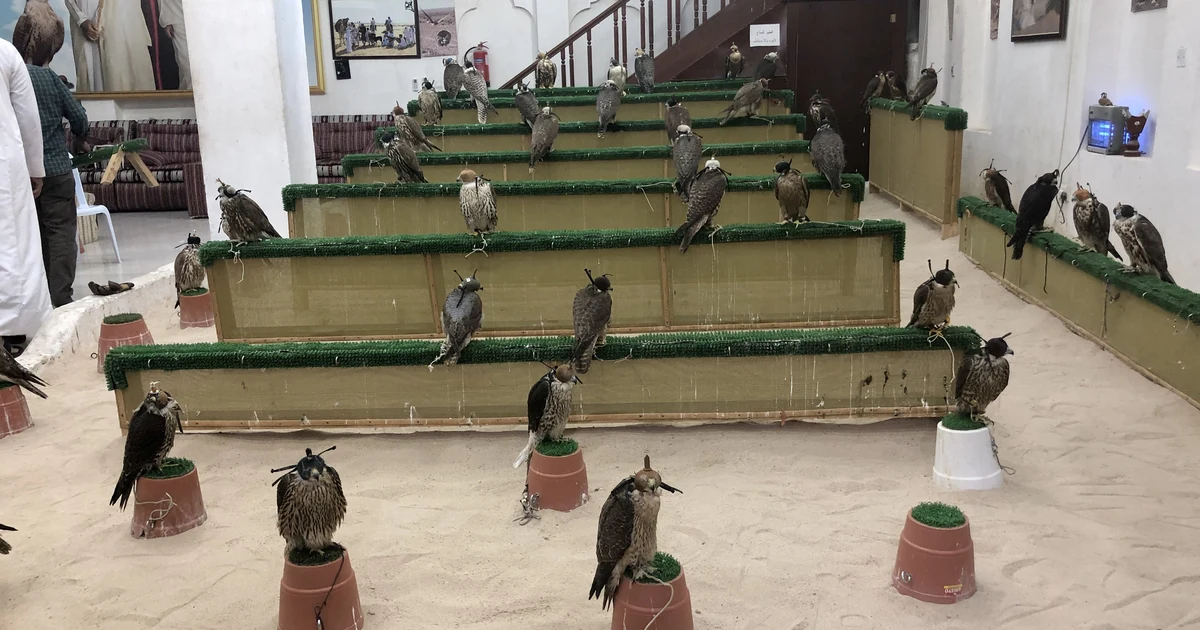
Browsing is free. Many shopkeepers will let you hold a falcon on a gloved arm for a photo if you ask politely, and it is good manners to ask before photographing the owners. A trained hunting falcon costs thousands of riyals, so this is not the place to haggle for fun. Evenings in the cooler months, which is also falconry season, are the liveliest time.
Souq Waqif Falcon Hospital
Beside the market is the Souq Waqif Falcon Hospital, opened in 2008, which the souq's official site calls the largest falcon hospital in the world. It handles check-ups, vaccinations and surgery, and is open 7am to 2pm, Saturday to Thursday. It is a working clinic, so go in the morning and ask at reception whether a short visit is possible that day.
Camel Pen and the Emiri Stables
A small camel pen sits near the Falcon Souq, and the Emiri Stables house the Arabian horses ridden by the heritage police who patrol the souq. The stables can be seen for free, and you may spot mounted riders crossing the squares. The official souq site lists camel and horse rides, but availability varies, so ask on the spot.
Horse lovers should look out for the Souq Waqif Equestrian Festival in the western square each January. The seventh edition ran from 20 to 27 January 2026, with purebred Arabian horse championships and a closing auction.
Pet and Bird Shops
A cluster of pet and bird shops has traded in the souq for years. Children often want to stop, but the section has drawn criticism over how some animals are kept, so you may prefer to keep the visit short. Check what is trading when you arrive, as this corner changes more than the rest of the souq.
Souq Waqif Art Center
The Souq Waqif Art Center is a calm break from the crowds: galleries of Qatari, regional and visiting artists on the ground floor and studios upstairs running courses in drawing, calligraphy and ceramics. During Ramadan 2026 it hosted Sadu weaving and calligraphy displays. Hours are not published consistently, so evenings from about 4pm are the safest bet.
Al Koot Fort and Pigeon Square
Al Koot Fort, on Jassim bin Mohammed Street, is a small white fort that makes a good photo stop; Visit Qatar notes the interior opens by appointment only. On the northern side of the souq, Pigeon Square and its gardens have pigeons to feed and a children's play area.
What to Buy at Souq Waqif
The souq is loosely organised by trade, so wander one lane at a time. Worth bringing home:
- Spices and dried goods: saffron, sumac, za'atar, dried black lemons (loomi), cardamom for gahwa, dates, honey and loose tea. Ask for a small bag to taste before you buy.
- Perfume and oud: oud wood chips, oud oil, musk and custom blended attars, plus bakhoor and incense burners. Prices vary enormously with quality, so smell several grades first.
- Textiles and carpets: rugs, cushion covers, embroidered fabric, scarves and the traditional thobe and abaya fabric shops.
- Pearls: a pearl shop run by people from the old diving trade explains how pearls were harvested before oil, and sells white, pink and grey pearls.
- Handicrafts and homeware: brass dallah coffee pots, wooden chests, lanterns, Sadu weaving, ouds and traditional pearling and fishing tools.
The Gold Souq
Doha's Gold Souq is a separate street of jewellers on Ali Bin Abdullah Street, a few minutes' walk from the main souq near the Al Najada hotel. Gold is priced by weight at the day's rate plus a making charge, and the making charge is where you can negotiate. Check the current gold rate in Qatar before you walk in, get the weight and carat on the receipt, and compare two or three shops.
Bargaining Tips for Souq Waqif
Bargaining is normal for souvenirs, textiles, carpets and perfume, but it is a polite conversation, not a contest. Food, spices sold by weight with a printed price, and restaurant bills are fixed.
- Ask the price, then browse a couple of nearby shops selling the same thing before you counter.
- Open at around half to two thirds of the first price for souvenirs and settle somewhere in between. Expect less movement on good quality oud and pearls.
- Buying several items from one shop is the easiest way to get a better price.
- Carry some cash for small traders; most larger shops take cards.
- If you are not going to buy, a friendly "shukran" and walking on is perfectly acceptable.
Where to Eat at Souq Waqif
Eating is half the reason people come. The main lane and squares are lined with Qatari, Levantine, Persian, Moroccan, Yemeni and Indian restaurants, most with outdoor seating that fills from sunset in winter.
Traditional Qatari Food to Try
- Machboos: Qatar's national dish of spiced rice cooked with chicken, lamb or fish, flavoured with loomi and baharat.
- Karak: strong, sweet tea boiled with milk and cardamom, sold everywhere for a few riyals.
- Luqaimat: small fried dough balls soaked in date syrup, best eaten hot from a stall.
- Harees and thareed: slow cooked wheat with meat, and bread soaked in a meat and vegetable stew, both especially common in Ramadan.
- Gahwa and dates: pale Arabic coffee with cardamom, served in small cups alongside dates.
Restaurants Worth Knowing
- Argan: a Moroccan restaurant in the souq's boutique hotels, awarded a Michelin Bib Gourmand in both the 2025 and 2026 MICHELIN Guide Doha. Tagines and couscous are the reason to book.
- Parisa: Persian food in a dining room of mirrorwork and antique glass lanterns.
- Damasca One: a long running Syrian restaurant for mezze, grills and people watching on the main lane.
- Shay Al Shoomoos: a small café known for karak tea and crepes.
- Bandar Aden: Yemeni cooking, including fahsa, a lamb stew served in a stone pot.
- Al Aker Sweets: kunafa and baklava for dessert or a box to take home.
Prices run from a few riyals for karak and snacks to sit down meals comparable with mid range restaurants elsewhere in Doha. Some cafés along the lanes serve shisha at outdoor tables; if you would rather avoid the smoke, sit indoors or on the quieter side lanes.
Staying at Souq Waqif
The souq has its own heritage hotels, run together as Souq Waqif Boutique Hotels by Tivoli. Visit Qatar lists nine, including Al Bidda, Al Jasra, Al Jomrok, Mirqab, Arumaila, Musheireb, Najd and Bismillah, a 1950s building described as the souq's first hotel. Guests share an outdoor pool, a spa with a Moroccan hammam, and restaurants including Argan.
Staying here suits people who want to explore early before the heat or walk back late after dinner. Rooms are smaller than in the big West Bay hotels and the lanes can be noisy at weekends.
How to Get to Souq Waqif
By Doha Metro
The easiest option is the Gold Line to Souq Waqif station, which opened in 2019 beside the market. From the Red or Green Line, change at Msheireb, one stop away, or walk over from Msheireb station. Our Doha Metro map guide covers fares, cards and the later Friday start.
By Car
The main underground car park has three levels and room for around 2,000 cars, with its entrance on Al Matar Street, and the official site lists further car parks on the north and west sides. Expect a modest hourly fee. On Thursday and Friday evenings it fills and the exits queue, so arrive before about 7pm or park at Msheireb Downtown and walk.
By Taxi
Karwa taxis and ride hailing apps such as Uber drop off on the streets around the souq; the official site marks a taxi point and bus stops. From Hamad International Airport the drive is roughly 15 minutes outside rush hour.
Best Time to Visit Souq Waqif
November to March is the best season, when evenings are cool enough to sit outside for hours. Arrive around 4pm to 5pm to see the shops reopen, then stay for dinner. Thursday and Friday nights are busiest and most atmospheric; Saturday to Wednesday evenings are calmer for shopping.
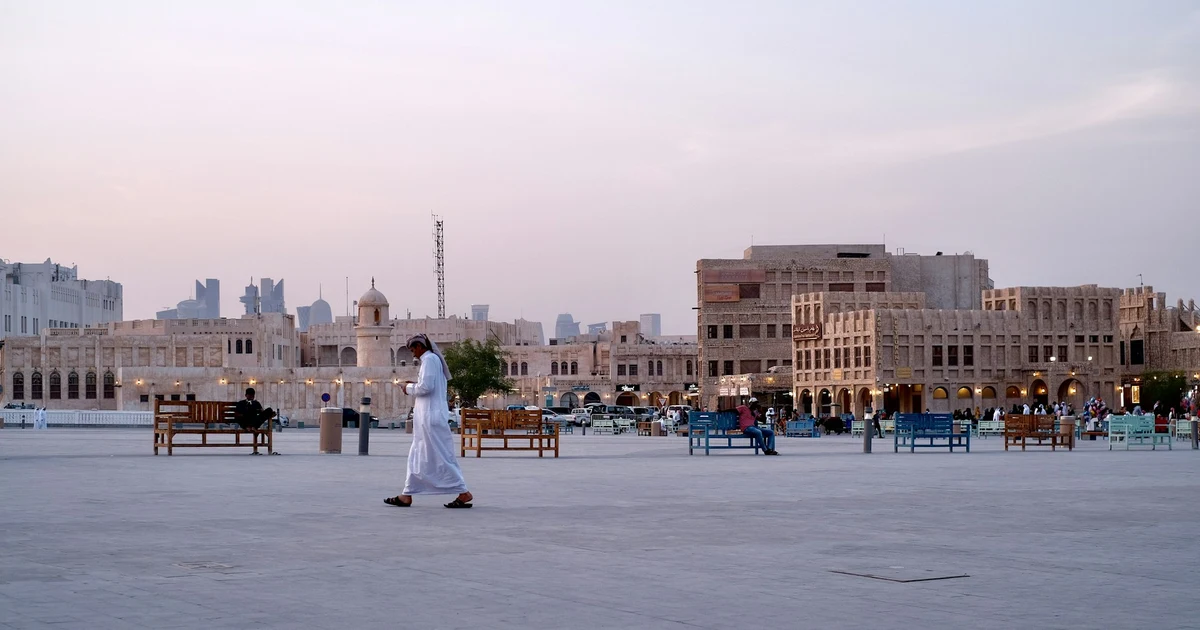
From June to September, come after 7pm, keep to air conditioned restaurants and carry water. Our guide to Qatar weather by month shows what to expect. Mornings are quiet all year, good for photos and the Falcon Hospital, though many shops are still closed.
Events and Festivals at Souq Waqif
The souq runs a busy calendar of free exhibitions, most of them in the Eastern Square. Dates move each year, so treat these as a guide to the season rather than fixed dates:
| Event | When it usually runs | What happens |
|---|---|---|
| Souq Waqif Equestrian Festival | January | Purebred Arabian horse championships and an auction in the western square |
| International Honey Exhibition | January to early February | Around 100 honey producers from roughly 20 countries |
| International Dates Exhibition | February, before Ramadan | Date growers and date products from across the Arab world |
| Ramadan nights | Throughout Ramadan (around February in 2027) | Iftar cannon in the Eastern Square, late opening, food stalls and exhibitions |
| Eid celebrations | Eid al Fitr and Eid al Adha | Performances, sweets exhibitions and family activities |
| Local Dates Festival | Late July to August | Qatari farmers selling fresh rutab dates (25 July to 10 August in 2026) |
In Ramadan, a cannon fires at sunset in the Eastern Square to mark iftar. Qatar's biggest falconry show, the S'hail hunting and falcons exhibition, is held at Katara rather than in the souq.
Dress Code and Etiquette
- Dress modestly: men and women should cover shoulders and knees. Loose cotton clothing is also the most comfortable choice.
- Ask before photographing people, especially women and families. Lanes, buildings and falcons are fine.
- Ramadan: avoid eating, drinking or smoking in public during daylight hours.
- Mosques and prayer times: some shops pause at prayer times; walk around worshippers outside mosques, not through their rows.
Tips for Families and First Time Visitors
- The main lanes are paved and mostly flat, so pushchairs are manageable outside peak hours.
- The official souq site lists nine toilet blocks and around ten bank ATMs across the market.
- Porters with wheelbarrows wait near the entrances to carry heavy shopping to your car; agree the fee first.
- Agree a meeting point such as Al Koot Fort, because it is easy to lose each other in the evening crowds.
Places Near Souq Waqif
The souq is a good base for a full day in old Doha, because several major sights are within walking distance or one metro stop away.
- Doha Corniche: directly north across Corniche Street, with dhows, bay views and the West Bay skyline.
- Museum of Islamic Art and MIA Park: a short walk east along the Corniche; the park is free and ideal at sunset.
- Msheireb Downtown: immediately west, a modern district built on traditional lines, home to the Msheireb Museums.
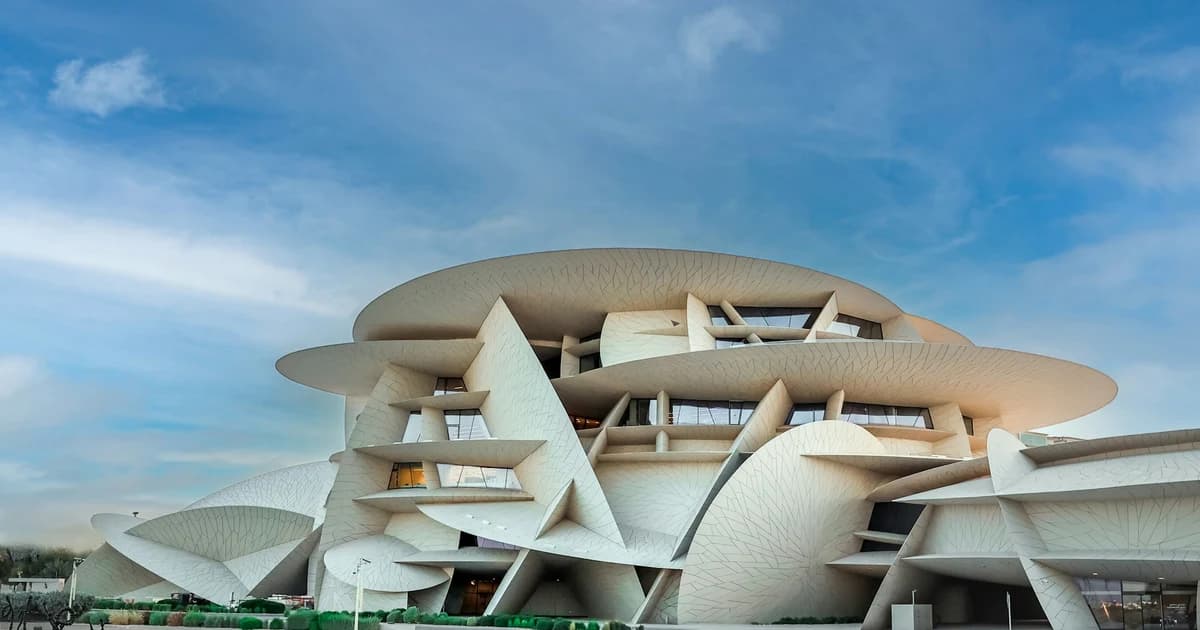
- National Museum of Qatar: one stop east on the Gold Line; read our National Museum of Qatar guide before you go.
If you are planning a longer trip, our roundup of the best places to visit in Qatar shows how the souq fits alongside the desert, the north and the museums.
Final Thoughts
Souq Waqif rewards a slow evening more than a quick tick off the list. Arrive as the shops reopen, walk the falcon market and the spice lanes while it is still light, then sit down for machboos or a tagine and a glass of karak as the squares fill up. It is free, central and easy to reach by metro.
Hours, events and Ramadan schedules change from year to year, so check the official Souq Waqif and Visit Qatar pages before a special trip, especially for the Falcon Hospital and festivals. Otherwise, wear something comfortable and modest, bring a little cash for small stalls, and leave room for luqaimat.
Official Sources
- Souq Waqif (official site) (opens official source in a new tab)Official site for the souq's attractions, hotels, restaurants, mosques and facilities, including car parks, toilets and ATMs.
- Visit Qatar: Souq Waqif (opens official source in a new tab)Qatar Tourism's page on the souq, with transport, parking, highlights and dining.
- Visit Qatar: Falcon Souq (opens official source in a new tab)Official listing for the Falcon Souq with opening hours and what visitors can see.
- Souq Waqif Falcon Hospital (opens official source in a new tab)Official site of the falcon hospital, with opening hours and services.
- Visit Qatar: Ramadan at Souq Waqif (opens official source in a new tab)Ramadan opening hours for shops and restaurants, the iftar cannon and seasonal exhibitions.
- Visit Qatar: Al Koot Fort (opens official source in a new tab)History, location and appointment-only access for the fort beside the souq.
- Qatar Rail (Doha Metro) (opens official source in a new tab)Official Doha Metro network information, including the Gold Line and Souq Waqif station.
Frequently Asked Questions
What are Souq Waqif opening hours?
The souq itself is a public area with no gate, but traditional shops usually open around 9am to 1pm and 4pm to 10pm from Saturday to Thursday, and from about 4pm on Friday. Restaurants and cafés typically stay open until around midnight. In Ramadan, shops open 8am to 12pm and again from iftar until midnight.
Is there an entry fee for Souq Waqif?
No. Souq Waqif is free to enter and walk around, including the Falcon Souq and the viewing area at the horse stables. You only pay for food, shopping, parking and any rides or services you choose.
Which metro station is closest to Souq Waqif?
Souq Waqif station on the Doha Metro Gold Line is right beside the market. From the Red or Green Line, change at Msheireb, one stop away, or walk about ten minutes from Msheireb station through Msheireb Downtown.
Is Souq Waqif open on Friday?
Yes, but mainly in the afternoon and evening. Most shops stay closed through the morning and Friday prayer and reopen from about 4pm, while many restaurants open earlier. The Falcon Hospital is closed on Fridays.
Is there parking at Souq Waqif?
Yes. There is a large underground car park beneath the souq, entered from Al Matar Street, plus surface car parks on the north and west sides. It fills up on Thursday and Friday evenings, so arrive before about 7pm or use the Msheireb Downtown car parks and walk over.
What should I wear to Souq Waqif?
Dress modestly: both men and women should cover their shoulders and knees. Light, loose clothing is the most comfortable choice, and during Ramadan it is best to dress a little more conservatively and avoid eating or drinking in public during daylight.
What is Souq Waqif famous for?
Souq Waqif is famous for its restored traditional architecture, the Falcon Souq and Falcon Hospital, spice, perfume and textile stalls, Arabian horses and camels, and its many restaurants serving Qatari and regional food. It is the most visited traditional market in Qatar.
Written by
Sheikh Baber AliI’m Sheikh Baber Ali, a writer and editor at QatarVia. I’m naturally curious about how things work and enjoy digging into the details behind the questions people have about living, working, and getting around in Qatar. My approach is simple: research carefully, check the details, and explain things the way I’d want someone to explain them to me. I’m always looking for useful stories, changing information, and practical details worth sharing with our readers.
View all guides by Sheikh Baber Ali →Related guides
Katara Cultural Village Doha: Things to Do, Timings and Beach (2026)
A practical guide to Katara Cultural Village in Doha: how to get there on the Red Line, what is free, Katara Beach fees and rules, the amphi

Desert Safari Qatar: Inland Sea Tours, Prices and What to Expect
A practical guide to a desert safari in Qatar: how Inland Sea tours from Doha work, what they include, published price ranges, how to choose
National Museum of Qatar: Tickets, Timings and What to See (2026)
A practical 2026 guide to the National Museum of Qatar in Doha, covering opening hours, ticket prices and free entry rules, the Gold Line me
Lusail Boulevard Qatar: How to Get There, Things to Do and Events (2026)
A practical guide to Lusail Boulevard in Qatar: how to get there by metro, tram or car, when to go, what to see, the big annual celebrations