
Katara Cultural Village Doha: Things to Do, Timings and Beach (2026)
A practical guide to Katara Cultural Village in Doha: how to get there on the Red Line, what is free, Katara Beach fees and rules, the amphitheatre, mosques and pigeon towers, festivals, restaurants and family tips.
Quick Answer
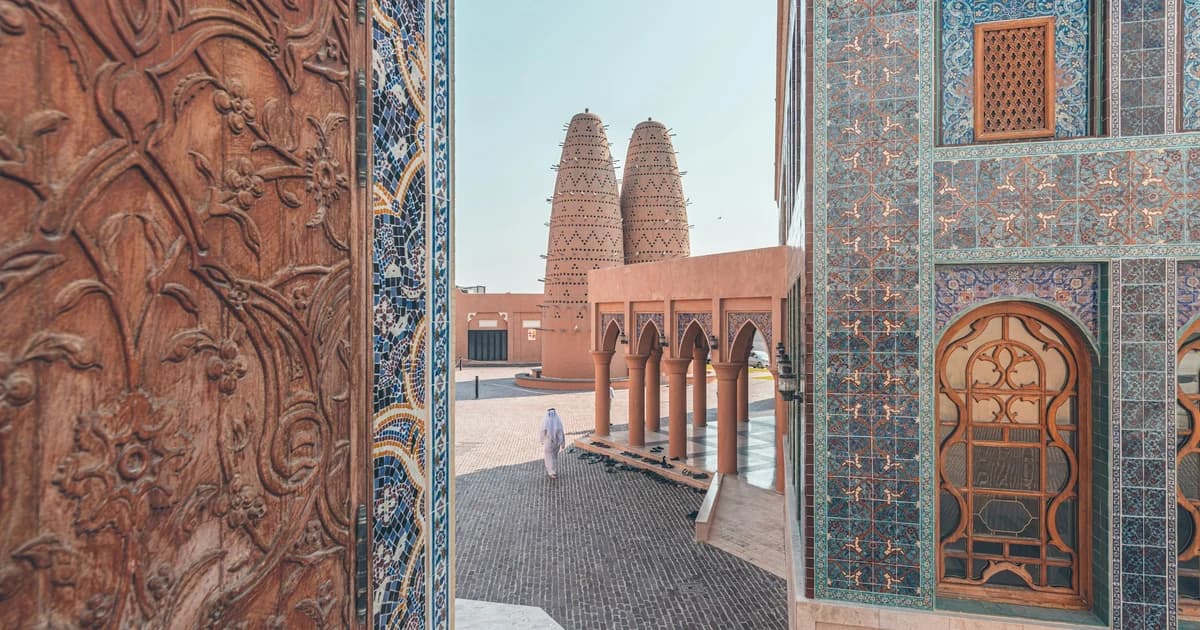
Katara Cultural Village is a free to enter arts and heritage district on the Doha coast between West Bay and The Pearl, reached directly by the Katara station on the Doha Metro Red Line. Its main sights are the 5,000 seat amphitheatre, the blue tiled Katara Mosque and the Golden Mosque, the pigeon towers, galleries, the Opera House and a 1.5 km public beach. Public areas are open daily into the late evening, while the beach, shows and some activities have their own hours and fees (summer 2026 beach entry was QAR 10 for adults). Visit in the late afternoon and evening, ideally between November and March.
Visit Official ServiceOn this page
- What Is Katara Cultural Village?
- Where Is Katara and How to Get There
- Katara Timings, Entry Fees and Costs
- Things to Do at Katara Cultural Village
- Katara Beach: Fees, Hours and Rules
- Festivals and Events at Katara
- Where to Eat at Katara
- Dress Code and Etiquette
- Tips for Families
- Best Time to Visit Katara
- Nearby: The Pearl, West Bay and Lusail
- Final Thoughts
Katara Cultural Village is where Doha goes to spend an evening without a plan. You can walk from a Greek style amphitheatre to a mosque clad in blue Turkish tiles, past a pair of mud coloured pigeon towers, then down to a public beach with traditional dhows moored offshore. Most of it costs nothing, it sits on the Red Line of the metro, and it fills up properly once the sun drops.
This guide covers how to get there, what is free and what is ticketed, beach rules and fees, where to eat and which festivals are worth timing a visit around. Hours and prices change with the season, so we flag what to confirm before you go.
What Is Katara Cultural Village?
Katara is a purpose built cultural district on reclaimed land on Doha's eastern shore, run by the Cultural Village Foundation. It soft opened in October 2010 and was designed to give Qatar a permanent home for the arts: theatres, galleries, a concert hall, music and drama societies, and the offices of cultural organisations, all set among sandstone lanes that borrow from traditional Gulf architecture.
For a visitor, it works like a walkable old town that happens to be new. Buildings are numbered rather than named, which helps when meeting someone "near Building 16". Around the cultural core sit a 1.5 km beach, two landscaped hills, a cooled shopping street and dozens of restaurants.
Where Is Katara and How to Get There
Katara sits on the coast between West Bay and The Pearl. From West Bay it is a short taxi ride; from Souq Waqif or the airport, the metro is usually the least stressful option, especially on weekend evenings when the access roads back up.
By Doha Metro
Katara has its own station on the Red Line, named Katara, which runs directly from Hamad International Airport, the Corniche and West Bay without a change. From Souq Waqif or Msheireb, take the Gold Line to Msheireb and switch to the Red Line heading north towards Lusail. Our Doha Metro map guide lays out every line and interchange if you are planning several stops in one day.
Al Qassar station, one stop to the south, also connects to the village, and Katara has run free golf cart rides from there during busy holiday periods. Do not count on a shuttle on an ordinary day; walking from Katara station is the reliable option.
By Taxi, Karwa or Ride Hailing
Karwa taxis, Uber and Careem all drop at Katara. Give the driver a specific landmark such as the amphitheatre, the beach, 21 High Street or a building number, because the village is large and the default pin may leave you on the wrong side. After a big concert, either leave before the crowd or walk back to the metro.
By Car and Parking
There are large visitor car parks around the village, including a big surface car park on the southern side towards the beach. Parking near the amphitheatre and 21 High Street fills quickly on Thursday and Friday nights and during festivals, and some hotels and restaurants offer valet. Follow the signage on the day, as Katara sometimes changes vehicle access and parking arrangements during major events.
Katara Timings, Entry Fees and Costs
Entering Katara itself is free. The streets, squares, hills, the outside of the mosques and many exhibitions cost nothing, and the public areas stay open well into the night. What you pay for are specific venues and services: beach entry, water sports, concerts and shows, and of course food.
| Place | Typical hours | Cost |
|---|---|---|
| Katara public areas, lanes and hills | Open daily, busiest late afternoon to late evening | Free |
| Katara Beach (summer 2026 schedule) | 3:30pm to 11pm; swimming and water sports 3:30pm to sunset | QAR 10 adults; children under 15, over 60s and others free |
| Beach chairs and umbrellas | During beach hours | QAR 5 each |
| Al Thuraya Planetarium | Screenings on set days; book online | Many screenings free with advance booking |
| Opera House and Drama Theatre | Evening performances | Ticketed per event |
| Katara Amphitheatre | Event nights | Many events free; some concerts ticketed |
| 21 High Street and Galeries Lafayette | Around 10am to 10pm, later on Thursday and Friday | Free to walk in |
The beach figures above are from the summer schedule Katara announced from 1 June 2026. The beach timetable has changed several times over the years, with different fees in some past seasons, so check Katara's official channels for the hours in force when you visit, particularly once the winter season begins.
Things to Do at Katara Cultural Village
Katara is compact enough to see the main sights in two to three hours on foot, longer if you add the beach or a show. A sensible loop starts at the mosques and pigeon towers, drops down to the amphitheatre, continues to the beach and finishes on 21 High Street or the hills for dinner and the view.
Katara Amphitheatre
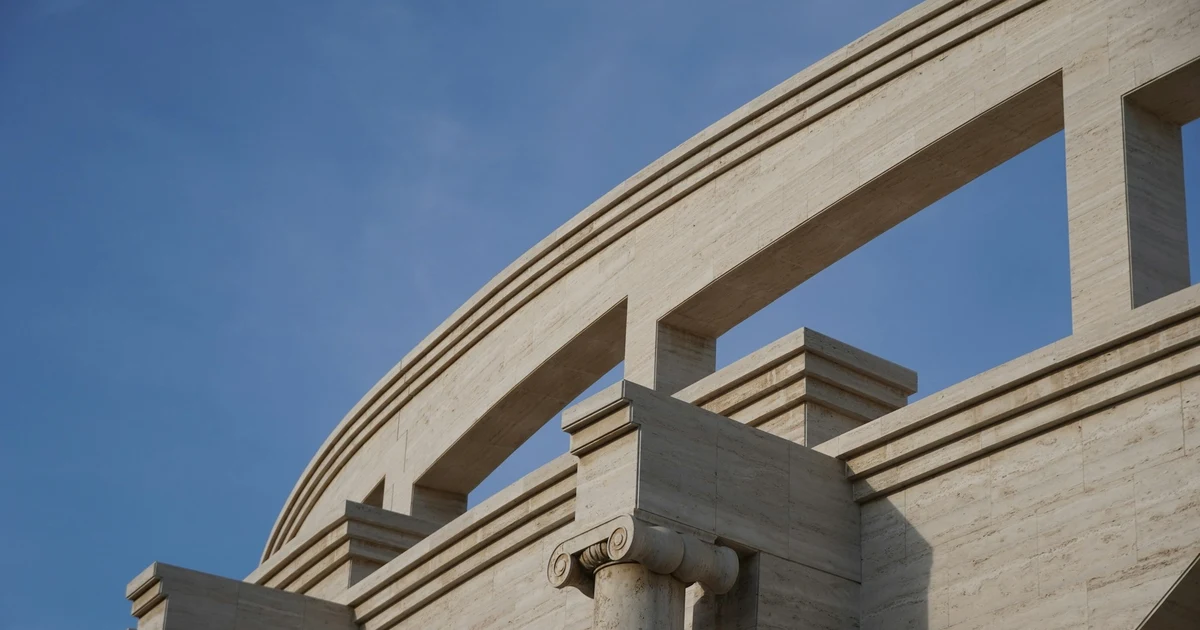
The amphitheatre is the centrepiece of the village: a classical Greek style open air theatre spread over about 3,275 square metres, with arched entrances that bring in Islamic detailing. It seats up to 5,000 people and looks straight out over the sea towards West Bay. On quiet afternoons you can sit on the steps; on event nights it hosts concerts and festivals.
Katara Mosque, the Golden Mosque and the Pigeon Towers
Katara Mosque is the building most people photograph. It was designed by the Turkish designer Zeynep Fadıllıoğlu, and its walls are covered in Persian and Turkish style tile and enamel work in blues, turquoise and gold, which is why many visitors call it the blue mosque. A short walk away is the smaller Golden Mosque, faced in gold tiles that catch the sun in the late afternoon.
Next to Katara Mosque stand the pigeon towers, tall conical structures dotted with perches and nesting holes. They echo a traditional regional design: such towers once housed pigeons whose droppings were collected as fertiliser. Pigeons still gather around them, which children love.
The Opera House and Theatres
The Opera House in Building 16, the tallest building in Katara, is the main home of the Qatar Philharmonic Orchestra, which opened the hall in December 2010. Its horseshoe of balconies recalls a European opera house, but the decoration draws on Arabic and Qatari motifs. The orchestra plays both Western and Arabic repertoire. Check the Qatar Philharmonic Orchestra schedule for dates and tickets. Katara also has a separate Drama Theatre for plays and Arabic productions.
Galleries and Art Spaces
Art is spread across several buildings rather than one museum. The Qatar Museums gallery shows rotating exhibitions, Katara Art Center runs contemporary shows, and Katara Art Studios and the Visual Art Centre host workshops. Most exhibitions are free, but they rotate, so check what is on first.
Al Thuraya Planetarium
Al Thuraya Planetarium seats about 200 people under a full dome digital screen and runs shows on astronomy and the natural world in Arabic and English. Many screenings are free but need to be booked online in advance, and tickets can sell out on school holidays. It is a good indoor option for families on a hot afternoon.
Katara Hills
Behind the village rise two landscaped hills with paths, planting and a small stream. Climb either one before sunset for the best overview of Katara: the amphitheatre below, the beach and dhows beyond, and the West Bay skyline lit up as it gets dark. The upper slopes are also home to Katara Hills, an LXR Hotels and Resorts property, and its Gymkhana restaurant, which serves Indian cuisine.
21 High Street and Galeries Lafayette
21 High Street, part of the Katara Plaza development, is an open air shopping street of roughly 38,000 square metres that uses ground level cooling so it stays walkable even in warm months. Its anchor is Galeries Lafayette Doha, a large department store for fashion, beauty and homeware whose glass dome nods to the original store in Paris. Expect mall style hours, with a later start on Fridays.
Katara Beach: Fees, Hours and Rules
Katara Beach runs for about 1.5 km along the eastern side of the village and is divided into sections for families, general visitors and recreational use. The water is calm and shallow, with traditional dhows moored offshore.
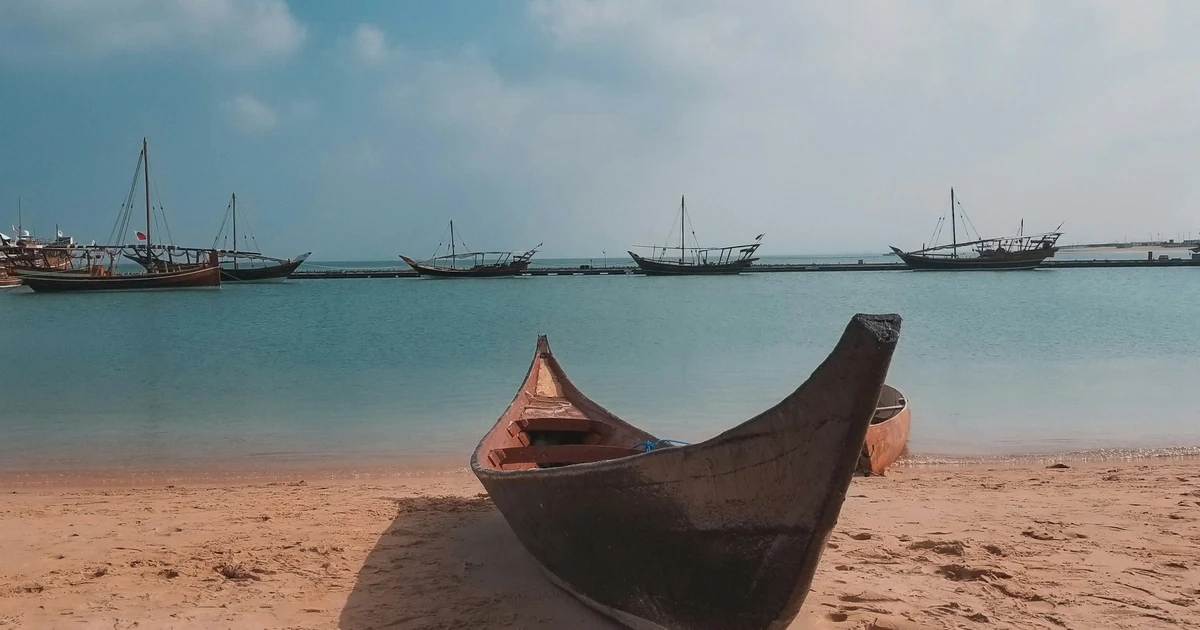
Under the summer 2026 schedule, the beach is open from 3:30pm to 11pm, with swimming and water sports allowed from 3:30pm until sunset. Adult entry is QAR 10. Children under 15, visitors over 60, people with disabilities, caregivers, domestic workers and anyone taking part in water sports enter free. Chairs and umbrellas cost QAR 5 each, and the Beach House keeps sunrise to sunset hours.
Water sports are run from the beach and have included kayaking, pedal boats, water skiing, wakeboarding and dhow rides, with prices set per activity and per session. Prices have changed between seasons, so ask at the beach counter for the current list before you commit.
Beach rules follow local norms. Swimwear should be modest: avoid bikinis and very brief trunks, and cover up when you leave the sand. Women commonly swim in a T-shirt and shorts or a full coverage swimsuit. Some sections are reserved for families, so groups of single men may be directed to the general area. Do not swim outside the set hours.
Festivals and Events at Katara
Katara's calendar is the main reason residents come back, with something on most weeks between October and April.
- S'hail, the Katara International Hunting and Falcons Exhibition: held each September. The 2026 edition, the tenth, ran from 8 to 12 September with exhibitors from 14 countries covering falconry, hunting and outdoor equipment.
- Katara Traditional Dhow Festival: an annual maritime heritage festival held since 2010 on the southern side of Katara Beach, usually in late November and December. Expect dhow races, boat building and rope making demonstrations, Gulf folk music and children's workshops. Listings for the 2026 edition point to early December; confirm the dates on Katara's channels.
- Qatar National Day (18 December) and Eid: Katara stages performances, heritage activities and often fireworks over the bay. These are the busiest nights of the year, so use the metro.
- Concerts and cultural weeks: concerts, plays and country themed events run through the cooler months.
Katara publishes its events on its official website and social media accounts, which are the best place to check exact dates, timings and whether an event needs registration.
Where to Eat at Katara
Food is a big part of an evening at Katara, and the range is wide, from karak and chapati for a few riyals to formal dining rooms. A few established names, all within the village:
- Mamig: Armenian and Lebanese cooking with mezze and grills, overlooking the amphitheatre.
- Sukar Pasha: an Ottoman themed Turkish lounge known for kebabs, mezze, künefe and baklava.
- Khan Farouk Tarab Café: Egyptian food in a setting inspired by old Cairo, with live tarab music.
- Ard Canaan: Palestinian and wider Levantine dishes.
- L'wzaar Seafood Market: a seafood restaurant where you choose fresh fish and have it cooked to order.
- Saffron Lounge: North Indian classics such as butter chicken and tikka.
- Chapati and Karak: a casual stop for karak tea and chapati wraps, popular for a cheap snack.
Dessert cafes and chocolate shops cluster around the amphitheatre and the lanes behind it, which makes that corner the obvious place for coffee after dinner. Tasty Street, a strip of casual outlets, and the cafes on 21 High Street cover quicker, cheaper meals.
Dress Code and Etiquette
Katara is relaxed but still a public space in Qatar, so modest dress is expected: shoulders and knees covered is a safe standard for both men and women. To go inside either mosque, women should cover their hair and wear loose clothing that covers arms and legs, and everyone removes shoes at the entrance. Avoid visiting the mosque interiors during prayer times, and if you are unsure whether visitors are being admitted, ask politely or admire the tilework from outside. Ask before photographing people, especially women and families.
Tips for Families
- Go in the late afternoon: arrive around an hour before sunset, see the mosques and pigeon towers while it is light, then move to the beach or hills as it cools.
- Use the planetarium as a heat break: book a free screening in advance for the hottest part of the day.
- Pack water and sun protection: shade is patchy in the open squares, even in October and April.
- Agree a meeting point: on festival nights crowds are heavy; the amphitheatre entrance or a building number makes an easy landmark.
- Save the emergency numbers: 999 covers police, ambulance and fire across Qatar.
Best Time to Visit Katara
The best months are November to March, when evenings are mild and the festival season is in full swing. October and April are workable after 4pm. From June to September, treat Katara as an evening only destination: the cooled 21 High Street, the planetarium and indoor restaurants are fine by day, but the beach and open squares are hard going until after sunset. Our Qatar weather guide breaks down what each month feels like.
For the quietest visit, go on a weekday afternoon. For atmosphere, go on a Thursday or Friday evening, when families picnic on the hills and the restaurants fill up. Friday mornings are very quiet, with many venues opening only after midday prayers.
Nearby: The Pearl, West Bay and Lusail
Katara pairs naturally with The Pearl, a few minutes north by car, where Qanat Quartier's canals and the Porto Arabia boardwalk make an easy second stop. To the south, West Bay and the Corniche are a couple of metro stops away.
Further north on the same Red Line is Lusail, Qatar's newest city, with its marina and pedestrian boulevard. Combining the two works well in one evening: watch the sunset at Katara, then ride the metro up for a late walk along Lusail Boulevard when the towers are lit.
Katara pairs just as well with The Pearl next door or the museums along the Corniche. For a longer trip, the best places to visit in Qatar cover the desert, the north and the heritage sites too.
Final Thoughts
Katara Cultural Village rewards an unhurried evening more than a checklist. The headline sights take an hour; the real value is in walking the lanes, catching a show, eating well and finishing on the hill as West Bay lights up.
It is free to enter, easy to reach by metro and at its best between November and March. Check the beach hours and the events calendar on Katara's official channels before you go, and if a festival such as the Dhow Festival is on, plan your visit around it.
Official Sources
- Katara Cultural Village (official site) (opens official source in a new tab)Official Katara website with the events calendar, venue information, beach updates and planetarium bookings.
- Visit Qatar: Katara Cultural Village (opens official source in a new tab)Qatar Tourism's overview of Katara's mosques, amphitheatre, galleries, beach and dining.
- Visit Qatar: Al Thuraya Planetarium (opens official source in a new tab)Official tourism listing for the planetarium at Katara, including capacity and show details.
- Qatar Philharmonic Orchestra: our locations (opens official source in a new tab)Background on the Opera House in Building 16 at Katara, the orchestra's main concert venue.
- Qatar News Agency: S'hail 2026 (opens official source in a new tab)Official news agency report on the 2026 Katara International Hunting and Falcons Exhibition.
- Qatar Rail: Doha Metro (opens official source in a new tab)Official operator of the Doha Metro, with route maps, timings and fares for the Red Line to Katara.
Frequently Asked Questions
Is there an entry fee for Katara Cultural Village?
No. Entry to Katara Cultural Village is free, including the lanes, squares, hills, the outside of the mosques and most exhibitions. You pay only for specific services such as beach entry, water sports, concerts and shows, and food. Under the summer 2026 schedule, Katara Beach charged QAR 10 for adults, with children under 15 and over 60s free.
What are Katara Cultural Village timings?
Katara's public areas are open daily and are busiest from late afternoon until late evening. Individual venues set their own hours: under the summer 2026 schedule the beach was open from 3:30pm to 11pm, 21 High Street keeps roughly 10am to 10pm with later closing on Thursday and Friday, and restaurants vary. Check Katara's official site for current venue hours.
Which metro station is closest to Katara?
Katara station on the Doha Metro Red Line serves the village directly. It runs without a change from Hamad International Airport, the Corniche and West Bay. From Souq Waqif, take the Gold Line to Msheireb and change to the Red Line towards Lusail. Al Qassar station, one stop south, is also nearby.
Can you swim at Katara Beach?
Yes. Katara Beach has calm, shallow water, lifeguards and set swimming hours. Under the summer 2026 schedule, swimming and water sports were allowed from 3:30pm until sunset. Swimwear should be modest, and some sections are reserved for families.
What is the blue mosque in Katara?
The blue mosque is Katara Mosque, designed by Turkish designer Zeynep Fadıllıoğlu and covered in Persian and Turkish style tiles in blue, turquoise and gold. It stands next to the pigeon towers. A smaller second mosque nearby, the Golden Mosque, is covered in gold tiles.
What is the best time to visit Katara?
Visit between November and March, arriving about an hour before sunset so you can see the mosques in daylight and the beach and West Bay skyline at dusk. In summer, go after sunset. Festival periods such as the Dhow Festival in late autumn and National Day on 18 December are lively but crowded.
How long do you need at Katara Cultural Village?
Two to three hours covers the main sights on foot: the mosques, pigeon towers, amphitheatre, a gallery and a walk along the beach. Allow a full evening if you add dinner, a show at the Opera House or time on the beach.
Written by
Sheikh Baber AliI’m Sheikh Baber Ali, a writer and editor at QatarVia. I’m naturally curious about how things work and enjoy digging into the details behind the questions people have about living, working, and getting around in Qatar. My approach is simple: research carefully, check the details, and explain things the way I’d want someone to explain them to me. I’m always looking for useful stories, changing information, and practical details worth sharing with our readers.
View all guides by Sheikh Baber Ali →Related guides

Desert Safari Qatar: Inland Sea Tours, Prices and What to Expect
A practical guide to a desert safari in Qatar: how Inland Sea tours from Doha work, what they include, published price ranges, how to choose
National Museum of Qatar: Tickets, Timings and What to See (2026)
A practical 2026 guide to the National Museum of Qatar in Doha, covering opening hours, ticket prices and free entry rules, the Gold Line me
Lusail Boulevard Qatar: How to Get There, Things to Do and Events (2026)
A practical guide to Lusail Boulevard in Qatar: how to get there by metro, tram or car, when to go, what to see, the big annual celebrations